
Maple Shade Dental Group Logo
  • Pay my bill
  • Patient login
  • Blog
  • Contact
  • Careers
  • Emergencies
  • Locations
    • Prevent
    • Dental exams & teeth cleaning
    • General dentistry services
    • Guided Biofilm Therapy
    • Restore
    • Dental implant services
    • Fillings, crowns & bridges
    • Full dentures & partial dentures
    • Root canal & endodontics
    • Improve
    • Cosmetic dentistry services
    • Invisalign®
    • Orthodontic services
    • Porcelain veneers
    • Teeth whitening
    • Other Services
    • Emergency dentist
    • Sedation dentistry
    • Tooth extractions
    • Periodontal Treatment
    • Gum treatment
    • Periodontics
    • Dental payment options
    • Dental insurance
    • Dental financing
    • Special offers
    • Good faith estimate
    • About us
    • Patient information
    • Dental reviews
  • Book appointment

Home

Blog

What to Expect During a Tooth Extraction

What to Expect During a Tooth Extraction

December 14, 2021 By Maple Shade Dental

What to Expect During a Tooth Extraction

If your dentist has recommended the removal of one or more of your permanent teeth, you may have many questions:

  • Why does my tooth need to be removed?
  • Will I still feel pain after the tooth is gone?
  • What should I tell the dentist before my procedure?
  • How will the extraction be performed?
  • What kind of sedation or pain relief will be provided?
  • How will the gap in my teeth be filled?
  • Will my wisdom teeth need to be removed?
  • How do I care for my mouth after my extraction?

Your dentist in Peoria is the best source of answers for these questions. However, we have compiled some general information that may help you to navigate the procedure with greater success. Here are some of the most common questions and answers about dental extractions in Peoria.

Why Does My Tooth Need to Be Removed?

The most common reasons for a tooth extraction include tooth decay and damage to a tooth caused by an accident. Gum disease can also result in loosening of the tooth and eventual loss either by falling out or by being removed by your dentist. In some rare cases, baby teeth may still be present in the mouth and will need to be removed to prevent tooth decay and other issues that can result from these extraneous teeth.

Will I Still Feel Pain After the Tooth Is Gone?

Once the tooth has been fully removed, you should not experience any further pain. If your extraction site does swell or cause pain, however, contact your dental office in Peoria as soon as possible to determine the best course of action for these situations.

What Should I Tell the Dentist Before My Procedure?

Your dentist will need to know about your general health, including any medications you may be taking, your use of alcohol and your past and present medical issues. Some risk factors that you should be sure to tell your dentist include the following:

  • A history of bacterial endocarditis
  • Disease of the liver or thyroid
  • Immune system deficiencies
  • Congenital heart defects
  • The presence of artificial heart valves or artificial joints
  • Regular use of blood thinners
  • Hemophilia and other blood disorders
  • Diabetes

Your dentist may need to adjust the type of procedure you receive to mitigate these risks. A course of antibiotics may also be recommended to lower the chance of infection after a dental procedure.

How Will the Extraction Be Performed?

Most dental procedures fall into one of two categories:

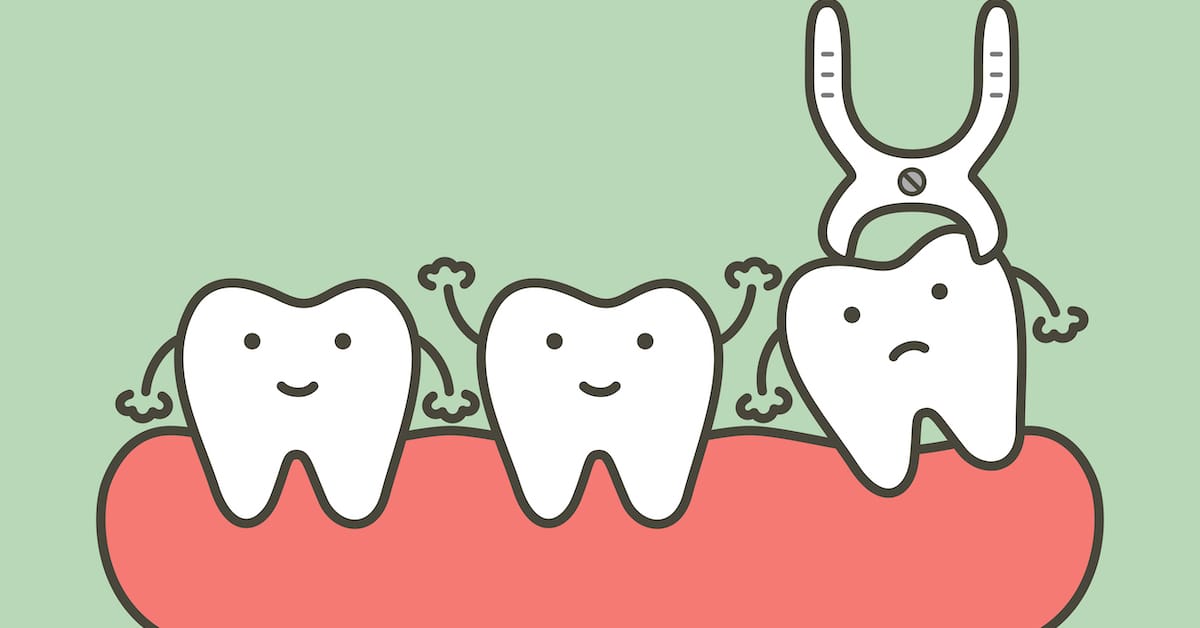
  • A simple extraction is the most common extraction procedure. A general dentist in Peoria will use forceps to pull the tooth after loosening it from the jaw using specialized tools. This type of extraction is usually performed under local anesthetic.
  • If your tooth is severely broken or decayed, it may not be possible to remove all parts of the tooth using forceps. Oral surgery procedures are performed by dentists with specialized training. These oral surgeons cut into the gums to make sure that all fragments and roots of the tooth are removed thoroughly.

Your dentist will discuss the condition of your tooth with you and will provide you with detailed information on the correct strategy for removing your tooth and relieving pain associated with decayed or damaged teeth.

What Kind of Sedation or Pain Relief Will I Receive?

Depending on the type of procedure and the level of anxiety you feel about your dental care, your extraction dentist in Peoria will recommend one of the following types of pain management for your procedure:

  • Local anesthetics that are injected directly into the area of the extraction or other dental procedure
  • Nitrous oxide, a gas that is inhaled through the nose and mouth
  • Oral sedation in pill or liquid form
  • Injected or intravenous sedation
  • General anesthesia

Be sure to let your dentist know if you have allergies to any of these common forms of pain management. Your dentist will work with you to find a pain relief strategy that works for you.

What Will Happen to the Gap in My Teeth?

Depending on what you and your dentist in Peoria decide, you may receive dental implants or be fitted with a bridge to fill in the gap and to promote the best and healthiest bite after your extraction is complete. If you opt for implants, you will need to wait at least 10 weeks before these dental appliances can be inserted into your gums. This will allow adequate time for your extraction site to heal and for your gums to support the new implants.

Will My Wisdom Teeth Need to Be Removed?

It was once the common practice in the dental industry to remove wisdom teeth. The American Dental Association, however, no longer recommends routine removal of wisdom teeth. Instead, your dentist will determine the health of these teeth, whether they are pressing on adjacent teeth and the overall effect your wisdom teeth have on your bite and on your mouth. If removal is necessary, your dentist will provide you with complete information on the process and the reasons behind the extraction decision.

How Can I Care for my Mouth After my Extraction?

After the extraction, it is important to reduce bleeding and inflammation in the area where the tooth was removed. This can generally be accomplished by avoiding the area of the extraction when brushing or eating for at least a day or so. Also, you can choose soft foods and soups to help you manage the first days after your procedure.

Be sure to attend any follow-up appointments with your dentist in Peoria to make sure that your mouth heals thoroughly after an extraction. This can help you to manage your dental care more easily now and in the future.

Recent articles

comprehensive care Comprehensive Dental Care in Peoria
Dental Emergency Dental Emergencies in Peoria
Smile Makeovers in Peoria Smile Makeovers in Peoria

Book your appointment today.

Book appointment
Maple Shade Dental Group Logo
  • Maple Shade Dental at Camp Crossing
  • Maple Shade Dental of East Peoria
  • Maple Shade Dental of Peoria
  • Cosmetic dentistry services
  • Dental exams & teeth cleaning
  • Dental implant services
  • Emergency dentist
  • Fillings, crowns & bridges
  • Full dentures & partial dentures
  • General dentistry services
  • Guided Biofilm Therapy
  • Gum treatment
  • Invisalign®
  • Orthodontic services
  • Periodontics
  • Porcelain veneers
  • Root canal & endodontics
  • Sedation dentistry
  • Teeth whitening
  • Tooth extractions
  • Find a dentist near you
  • Privacy policy
  • Notice of Privacy Practices
  • Site map

© 2026 Maple Shade Dental. All rights reserved. The above-listed practice complies with applicable Federal civil rights laws and does not discriminate on the basis of race, color, national origin, age, disability, or sex. Notice of non‑discrimination.

(309) 408-0272
(309) 408-0308
(309) 273-1907