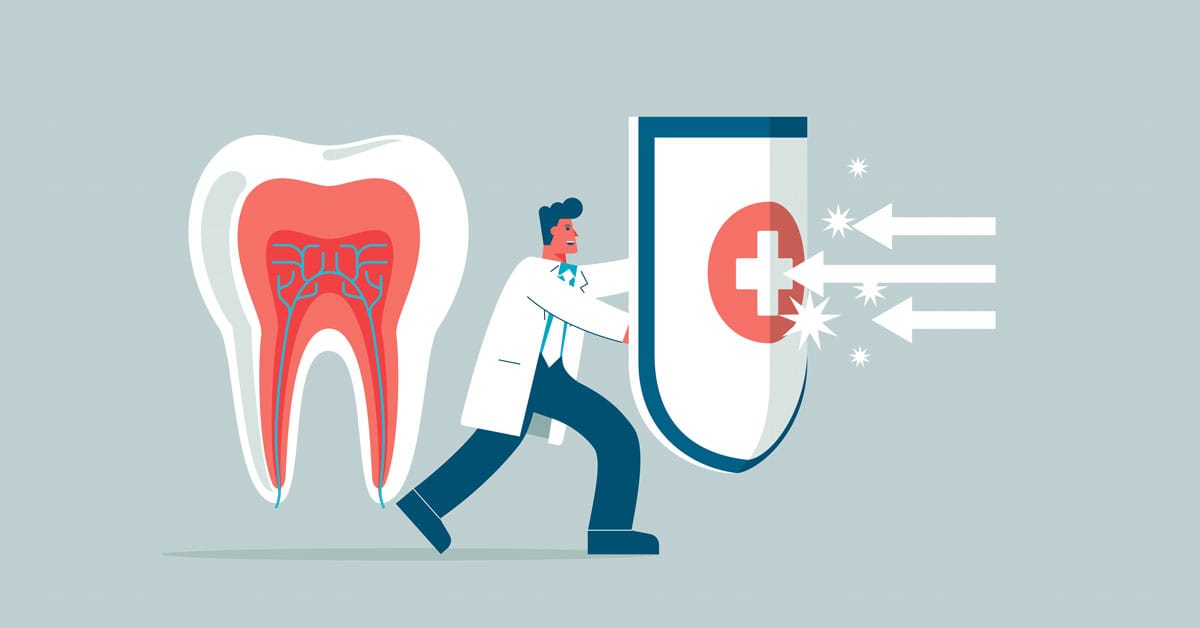

Good dental hygiene habits are some of the best-known ways to prevent dental problems. Brushing and flossing remove the plaque that causes tooth decay and gum disease. However, brushing and flossing are not necessarily enough to keep your smile bright and glowing. A healthy diet supports good dental health in ways good dental hygiene alone cannot.
With regular dental visits to our dentist in Peoria and proper at-home hygiene, you’ll be well on your way to a healthy, gorgeous smile. Add good nutrition to the mix, and your risk of many serious dental problems from cavities and acid erosion to gingivitis and later stages of gum disease will be drastically reduced.
Dentists have long known that poor food choices can negatively affect dental health. Certain foods, especially those that are high in added sugars, carbohydrates, and acids, can increase your risk of tooth decay and cavities. Too few of the right foods can also affect your teeth and gums, putting you at risk of dental erosion and cavities.
Erosion occurs when the outer layer of teeth, or dental enamel, loses minerals faster than they can be replaced. This is called demineralization, and it is often the result of a diet high in acid. Tooth decay also damages dental enamel, but the cause is a little different. With tooth decay, enamel becomes weakened and damaged due to dental plaque, a biofilm that is home to destructive oral bacteria.
Snacks that are excessively sweet or acidic can both damage the enamel on your teeth and leave you vulnerable to acid erosion, tooth decay, and cavities. This can lead to heightened sensitivity, pain, and infection without treatment. In severe cases of tooth decay, you might even lose the tooth.
Smart snack choices can reduce your risk. Instead of sweets from the vending machine, opt for tooth-friendly choices, such as almonds, low-fat string cheese, a handful of blueberries with unsweetened yogurt, or an apple with a dab of peanut butter. These treats are high in protein, which means they’ll keep you feeling fuller longer, and they all have nutrients that are vital to smile health.
Some foods are obviously not good for your teeth. Sodas, energy drinks, and other sugar-sweetened beverages, for example, are full of sugar and lack the many beneficial nutrients your smile needs. However, some foods that might seem neutral or even healthy are actually bad for your teeth, including:
Avoiding these foods or enjoying them in moderation can help you protect your smile. Instead, opt for foods that are high in the nutrients your smile needs to stay strong and healthy, such as:
Good dietary choices for these must-have nutrients include dark and leafy greens, legumes, fresh vegetables, fruit, low-fat dairy products, lean meats, fish, and whole grains. Look for minimally processed foods whenever possible. These are less likely to contain unwanted added sugars and other ingredients. Fresh produce, such as apples, pears, and celery, can do double duty by stimulating saliva flow, which helps clean and repair teeth.
Another smile-friendly chewing choice is sugar-free gum that contains xylitol. Xylitol is a natural sugar alcohol that has natural protective effects on your dental health. It interferes with the natural processes of oral bacteria and has been shown to help prevent tooth decay.
The right diet can transform your smile, keeping it strong and healthy for many years to come.
Sports drinks, soda, and other sugar-sweetened beverages are clearly bad for your teeth. Wine, coffee, and sweet tea are not much better. All of these drinks contain sugar, which feeds the oral bacteria that live in plaque, and some are highly acidic, too, which means they can contribute to acid erosion. What’s left?
No drink outperforms water when it comes to the health of your body and your smile. Water dilutes the acids that are already in your mouth, and it can rinse food debris from your teeth, minimizing the risk of plaque buildup. Water also helps keep your oral tissues comfortably hydrated, which reduces the risk of dry mouth.
For the best results, reach for fluoridated water. Fluoride is a naturally occurring mineral that hardens dental enamel, making it less vulnerable to bacterial and acid attacks. While fluoride is added to many dental products, such as toothpaste and mouthwash, it can also be beneficial when taken internally.
Other smile-healthy drinks include milk, which is high in calcium for stronger teeth, and unsweetened green tea, which is rich in antioxidants.
A healthy diet benefits both your smile and your body. Researchers have found that oral health is one of the most significant indicators of overall health. In other words, keeping your teeth and gums healthy might just help you keep your whole body healthier.
When your teeth and gums are disease-free, pain-free, and functional, you are better able to eat a balanced diet, you can communicate more easily, and you can smile more confidently. Poor dental health is associated with pain, lost chewing function, speech impairments, and serious health problems that include heart disease, stroke, dementia, diabetes, and obesity.
Many of the biggest risk factors for dental health can be controlled and managed. That means with good dental hygiene, routine checkups with our dentist in Peoria, and a nutritious diet, you can keep your smile healthy and avoid tooth decay, gum disease, and other common maladies.